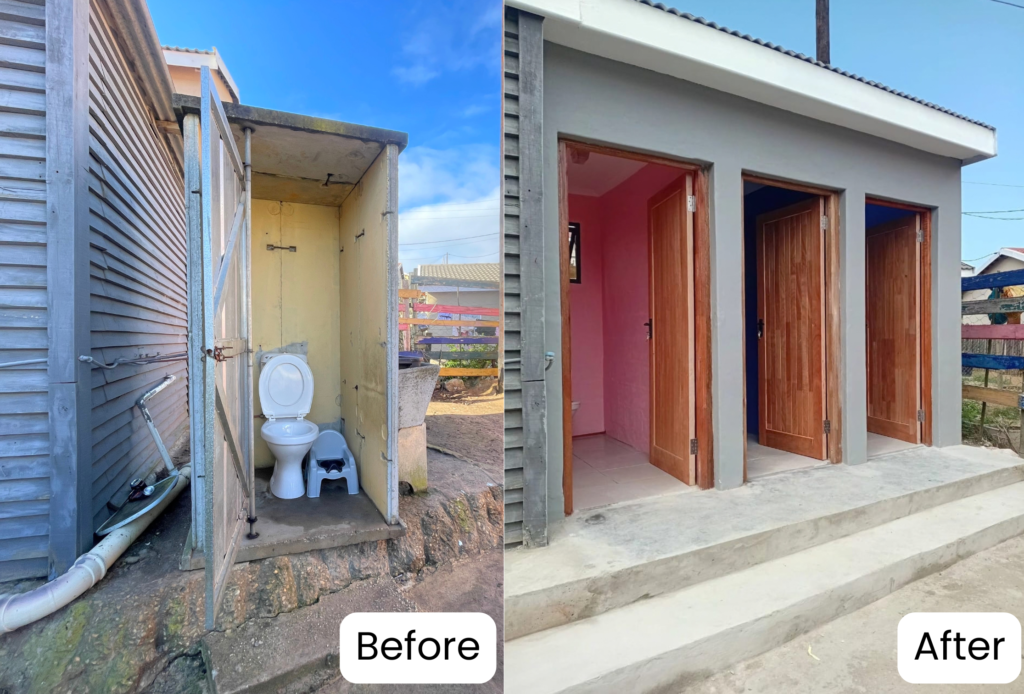
This year, KET’s Small Infrastructure Grant reached 26 early childhood centres in Knysna. Close to R900,000 has gone into fencing, kitchens, toilets, roofs and outdoor play equipment through 29 projects, each one led by the centre’s own principal. Three centres have already moved from Bronze to Gold registration and now receive government funding directly.
Registration is the door to a centre’s sustainability
For an early childhood centre in Knysna, registration is what makes the Western Cape Education Department’s per-child subsidy possible. The subsidy was recently raised from R17 to R24 per child per day for qualifying centres, and for most small centres it is the single most important source of income.
But the road to registration is steep. At the start of 2026, 38 of KET’s 75 partner centres were not yet registered at the level that qualifies for the subsidy. Silver registration is the first step, and what stands in the way is usually practical: a secure fence, a safe kitchen, working toilets, fire equipment. For a centre that runs on small parent fees, those costs are simply out of reach.
Why one inspection can set a centre back years
When an inspector visits and finds a centre unfit, the setback is much bigger than a list of repairs. It hits principals twice. Their confidence takes a knock, and they still don’t have the money to fix what was found.
In our experience, many centres wait years before they feel ready to try again. We know of examples where principals have taken eleven to fifteen years to move from informal operation to being registered and subsidised. All that time, the children in their care are learning in spaces that are not as safe as they should be.
Our aim with the Small Infrastructure Grant is to shorten that road.
Principals in charge
Rather than KET deciding on and managing upgrades centrally, principals choose and run their own improvement projects. The principal knows best what their centre needs, and the grant follows that knowledge.
- KET invites centres with registration or safety needs that a small grant can solve.
- A volunteer infrastructure advisor visits and helps the principal plan the work.
- The principal gets quotes from KET-approved service providers.
- A KET committee reviews and approves the application.
- The grant is paid to the centre in stages, and the principal manages the job.
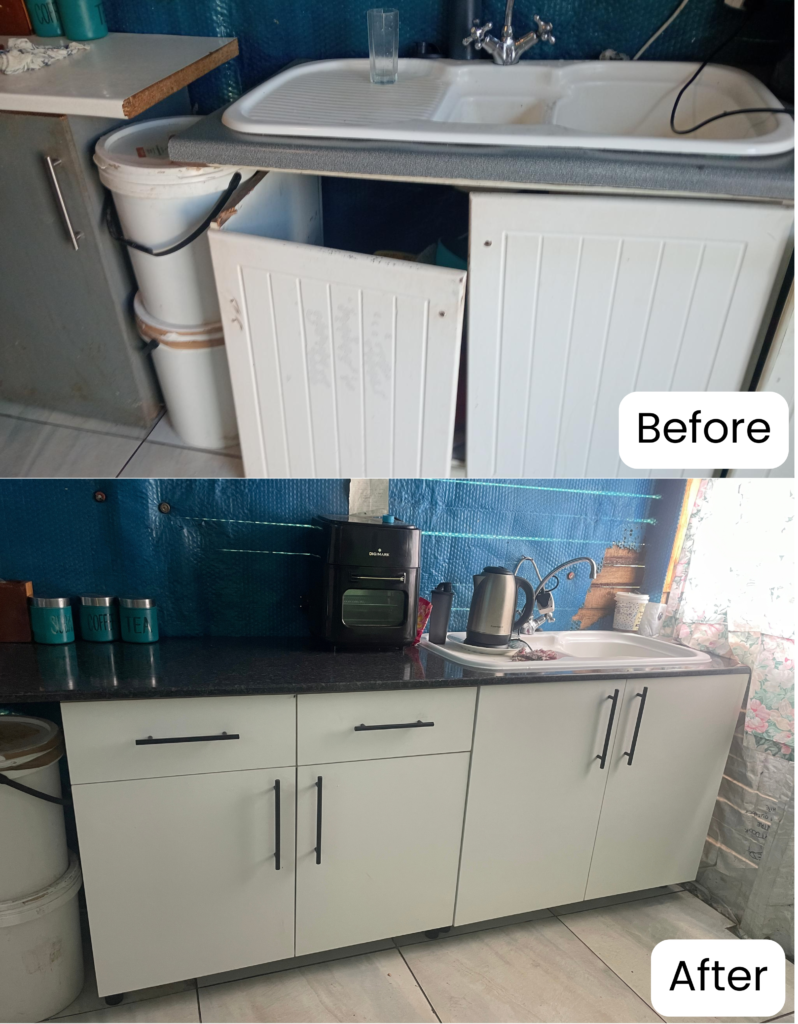
- KET visits to check the finished work, with before-and-after photos.
Some needs were met more directly. Jungle gyms were installed by one specialist provider, and kitchen equipment like fridges and stoves were handed over under an asset agreement to keep them with the centre and its children.
Principals handled quotes, service providers and payments, often for sums far larger than their usual budgets. No money was lost along the way. As one principal from Humpty Dumpty Creche put it: “I have learned that timelines can be good. Plan better and think it through.”

The advisors who made it work
Three volunteer infrastructure advisors made this programme possible.
They visited centres alongside principals, looked at what the inspector had asked for, and helped turn a worrying list of problems into a clear, realistic plan. They made each visit a chance for the principal to learn, so that the next project would feel less daunting. Their assessments also gave KET’s approval committee the confidence to say yes.
People with the right building knowledge, experience and time are hard to find. These three gave all of that freely, and the results below are theirs to share.
What changed
Half of the centres received less than R25,000, which shows how far a small, well-aimed grant can go.
The improvements ranged from fencing, flooring and roofing to toilets, kitchens, fire equipment and jungle gyms. Together they are already moving centres forward:
- Three centres moved from Bronze to Gold registration. They have now signed their WCED funding agreements and receive government funding directly.
- One centre moved from Bronze to Silver and received its Food Acceptability and Health Clearance certificates.
- Four centres kept their Silver status by completing the repairs the EHP required.
- Six centres gained Food Acceptability Certificates for their kitchens.
Just as important is what principals gained. “The new fencing and cupboards has brought new confidence and pride into our centre,” said the principal of Gugulethu Educare.
Alongside the building work, KET’s PALs kept coaching practitioners at every centre, so that safer buildings are matched by better learning inside them.

Could you be an advisor?
More centres are waiting for this kind of help, and KET hopes to reach another 12 to 20 in 2027. What we need most is more volunteer advisors.
If you are a builder, engineer, architect, plumber, electrician or retired tradesperson, a few hours of your time can help a principal get their centre registered. That means safer spaces for children and a steady income that keeps the centre’s doors open.
To find out more, contact admin@knysnaedutrust.co.za